
Choosing Between Traditional Boarding and Specialized Boarding for Aggressive Dogs
Planning a trip or a weekend away is stressful enough without wondering whether your dog is safe, calm, and in the right hands while you are gone. For most dogs, dropping them off at a standard kennel is a straightforward decision. But if your dog has a history of aggression toward other dogs, unfamiliar people, or even certain triggers within their own home, that decision becomes a lot more complicated. Specialized boarding for aggressive dogs exists precisely because a typical group boarding environment can be genuinely unsafe, both for your dog and for the other animals and staff around them. Understanding the real differences between traditional and specialized boarding can help you make a decision that protects your dog and gives you real peace of mind while you are away.
What Traditional Boarding Looks Like
Traditional boarding facilities are generally built around group living. Dogs often share communal play areas, may be housed in kennels near other dogs, and typically interact with a rotating staff that manages a large number of animals at once through a fairly standardized daily routine.
This model works well for social, easygoing dogs who genuinely enjoy the company of other dogs and handle new people and environments without much stress. For these dogs, group play and a busy, high energy facility can even be a positive, enriching experience that leaves them tired and content by the time their owner picks them up.
However, this same environment can be genuinely overwhelming, or outright dangerous, for a dog with aggression issues. High stimulation, close proximity to unfamiliar dogs, and staff who may not have specialized experience reading warning signs in a reactive or aggressive dog all combine to create real risk. Even well-run traditional facilities are simply not built around managing dogs who may bite or attack under stress, because that is not the population of dogs they are primarily designed to serve.
It is also worth noting that many traditional facilities will simply decline to board a dog with a known bite history or significant aggression, particularly if that history is disclosed upfront. This is not a reflection of a bad dog, it is a reflection of a facility recognizing that their staff, space, and daily routine were not built to manage that level of risk safely. Owners who withhold this information out of fear of being turned away are actually putting their dog, other animals, and staff at unnecessary risk, which is part of why finding a facility genuinely equipped for aggression matters so much.
Why Aggressive Dogs Need a Different Setup
Dogs with a history of aggression face a meaningfully higher risk of incidents in group or high stimulation boarding settings. A dog that reacts explosively to another dog getting too close, or to a stranger reaching toward them unexpectedly, can cause serious harm in an environment where those triggers are difficult to control and staff may not catch the early warning signs in time.
This is where experienced handlers make an enormous difference. Staff trained specifically in aggression are able to read subtle body language, such as a stiffened posture, a hard stare, or a closed mouth, long before a dog reaches the point of an actual bite or attack. This early recognition allows staff to intervene, redirect, or remove a dog from a triggering situation well before things escalate, something a general boarding facility staffed for a much broader population of dogs may simply not be equipped to do consistently.
Individualized routines also play a significant role in reducing stress for aggressive dogs. Rather than being thrown into a communal schedule built around group play and shared spaces, a dog with aggression concerns benefits enormously from a predictable, structured routine tailored to their specific triggers and comfort level. Reducing unnecessary exposure to stressful situations lowers a dog’s overall stress load, which in turn reduces the likelihood of a reactive or aggressive incident occurring in the first place.
There is also a practical liability dimension that owners sometimes overlook. If a dog with a known aggression history causes an injury while boarding at a facility not equipped to manage that risk, the consequences can extend well beyond the immediate incident, potentially affecting the dog’s future options for boarding, training, and even veterinary care depending on local regulations. Choosing a facility genuinely prepared to manage a dog’s specific risk factors protects everyone involved, including the dog itself, who may otherwise face far more serious consequences than a stressful weekend.
What Specialized Boarding Provides
Specialized boarding for aggressive dogs is typically built around private or limited contact housing arrangements. Rather than group kennels or shared play yards, dogs are kept separate from other animals in ways that eliminate the unpredictable triggers that come with close proximity to unfamiliar dogs.
Staff experience is arguably the single most important factor separating specialized boarding from a traditional facility. Handlers trained specifically in aggression understand how to safely manage a dog through daily routines such as feeding, leash walks, and basic care without escalating the dog’s stress or putting themselves or the dog at unnecessary risk. This kind of expertise typically comes from years of hands-on experience working specifically with dogs that general facilities are not equipped to handle, often including dogs that other trainers and boarding facilities have already turned away.
Structure, exercise, and enrichment remain just as important for aggressive dogs as they are for any other dog, but they need to be delivered in a way that accounts for the dog’s specific triggers and limitations. This might mean solo leash walks at quieter times of day, structured decompression time, or enrichment activities that do not require close contact with other animals. The goal is a boarding experience that still meets the dog’s physical and mental needs without introducing unnecessary risk.
Communication with owners tends to be more thorough in specialized settings as well. Because these dogs require closer monitoring and more nuanced handling, staff at a specialized facility are generally better positioned to notice subtle changes in behavior throughout a stay and communicate those observations clearly, whether that means flagging a new trigger that emerged or simply reassuring an anxious owner that their dog is settling in well. This level of communication is difficult to replicate at a large facility managing dozens of dogs at once with a much smaller staff to dog ratio.
How to Evaluate a Boarding Facility
If your dog has any history of aggression, it is worth asking pointed questions before committing to a boarding facility, whether that facility markets itself as specialized or not. Ask directly about staff experience with aggressive or reactive dogs, including how much hands-on training staff receive and how long they have been working specifically with dogs like yours.
It is also worth understanding exactly how a facility separates and monitors dogs throughout the day. Ask whether dogs are ever housed near each other in ways that could allow visual or physical contact, how staff supervise dogs during any outdoor time, and what specific protocols exist for a dog with your dog’s particular triggers.
Finally, ask about emergency and incident procedures directly. A facility that has thought seriously about managing aggressive dogs should be able to clearly explain what happens if a dog shows signs of escalating stress, what their protocol is in the rare event of an actual incident, and how they communicate with owners if any concerning behavior arises during a stay. A facility that cannot answer these questions clearly and confidently is generally not the right fit for a dog with a serious aggression history.
It is also reasonable to ask how long staff members have been specifically trained to work with aggressive or reactive dogs, as opposed to general kennel experience alone. A facility might have staff who are wonderful with friendly, social dogs but have limited hands-on experience managing a dog that could genuinely bite under stress. There is no shame in asking for specifics here, and a confident, experienced facility will welcome the question rather than treating it as an inconvenience.
Signs Your Dog May Need Specialized Boarding
Not every dog with occasional grumpiness needs a specialized program, but certain histories and patterns are strong indicators that a standard kennel is not the safest option. A documented history of aggression toward people or other dogs, particularly if it has resulted in an actual bite or serious altercation, is one of the clearest signals that specialized boarding is worth pursuing.
Dogs who show significant anxiety or reactivity specifically in group settings, even if they are relatively calm in quieter, more controlled environments, are also strong candidates. The stress of a busy, high stimulation boarding facility can push these dogs past their threshold in ways that would not happen in a calmer, more individualized setting. Owners sometimes describe this as a dog who is fine at home, fine on walks, and fine with familiar people, but who becomes a completely different animal the moment they are placed in an unfamiliar, high stimulation environment with strangers and other dogs on every side.
Prior negative experiences at standard kennels are another important signal. A dog that came home from a previous boarding stay more anxious, reactive, or fearful than before likely was not well matched to that particular environment, and a specialized setting built around lower stress and more individualized attention is likely to produce a much better outcome the next time around.
A dog who is generally well behaved at home but has shown resource guarding around food, toys, or spaces is another category worth taking seriously. Resource guarding can escalate quickly in a boarding environment where a dog may be housed near other animals or handled by multiple staff members throughout the day, making it a strong candidate for a more controlled, individualized setting rather than a communal one.
What Owners Can Do to Prepare
Regardless of which type of facility you choose, there are steps every owner can take to set their dog up for a smoother stay. Being fully transparent about your dog’s history, triggers, and any past incidents is the single most important step, even if it feels uncomfortable to disclose. Staff cannot manage risks they do not know about, and withholding information out of embarrassment or fear of rejection almost always makes things worse rather than better.
It also helps to provide as much detail as possible about your dog’s daily routine, favorite activities, and anything that reliably helps them decompress. A dog that responds well to a particular type of enrichment toy, or that settles best with a consistent feeding schedule, will generally have an easier time adjusting to a new environment if staff have that information from the start.
For dogs with significant aggression or reactivity, a pre-boarding consultation or trial visit can also be valuable. This gives staff the opportunity to observe the dog’s behavior firsthand, ask clarifying questions, and identify any triggers that might not have come up in an initial phone conversation, all before committing to a longer stay. It also gives owners a chance to see firsthand how a facility’s staff interact with and handle a dog like theirs, which can be one of the most reassuring parts of the entire process.
Finally, consider whether combining boarding with active training might serve your dog better than boarding alone. For many dogs with aggression or reactivity concerns, a stay that focuses purely on management without addressing the underlying behavior means the same challenges will simply resurface once the dog returns home. Pairing a boarding stay with structured training work gives owners a chance to make real progress during the time their dog would otherwise simply be waiting out the stay.
Work With The Art of K9
The Art of K9 offers exactly this kind of individualized, experienced care for dogs that traditional facilities are not equipped to handle, including dogs with a history of resource guarding, reactivity, and people or dog aggression. Boarding is built around each dog’s specific needs, with handlers experienced in managing serious behavioral challenges safely and calmly. Many owners choose to pair boarding with our board and train program to address the underlying behavior directly, or use our overnight boarding option to continue reinforcing structure after training. Call (914) 980-5527 or contact us here to talk through your dog’s specific history and find the right fit.
Conclusion
Choosing where to board a dog with aggression concerns is not a decision to make lightly, and it is not one where a standard, one size fits all kennel is likely to be the right fit. Specialized boarding for aggressive dogs exists to reduce risk, lower stress, and give both dogs and owners a genuinely safer alternative to a busy, group focused facility that was never designed to manage this kind of behavior in the first place. Taking the time to ask the right questions and understand a facility’s real experience with aggression can make all the difference in how your dog’s next stay actually goes.
Frequently Asked Questions
Is specialized boarding more expensive than traditional boarding?
Specialized boarding often costs more than a standard kennel stay, largely because it requires more experienced staff, lower dog to handler ratios, and individualized attention that a typical group facility does not provide.
Can an aggressive dog still get exercise and enrichment during boarding?
Yes. Specialized programs are built to provide adequate exercise and mental stimulation while managing a dog’s specific triggers, often through solo walks, structured decompression time, and enrichment activities that do not require contact with other animals.
What should I disclose to a boarding facility about my dog’s history?
Be as detailed and honest as possible about any past incidents, known triggers, and specific behaviors your dog has shown. This information allows staff to manage your dog safely and appropriately rather than discovering triggers by accident during the stay.
Do aggressive dogs need a trial stay before longer boarding?
Many facilities recommend a shorter trial stay before committing to an extended boarding period, particularly for dogs with a significant aggression history, since this allows staff to assess how the dog responds to the new environment before a longer commitment.
Can training and boarding be combined?
Yes, and this is often one of the most effective approaches for dogs with aggression concerns, since combining structured training with boarding allows a dog to make real behavioral progress rather than simply being managed for the duration of the stay.
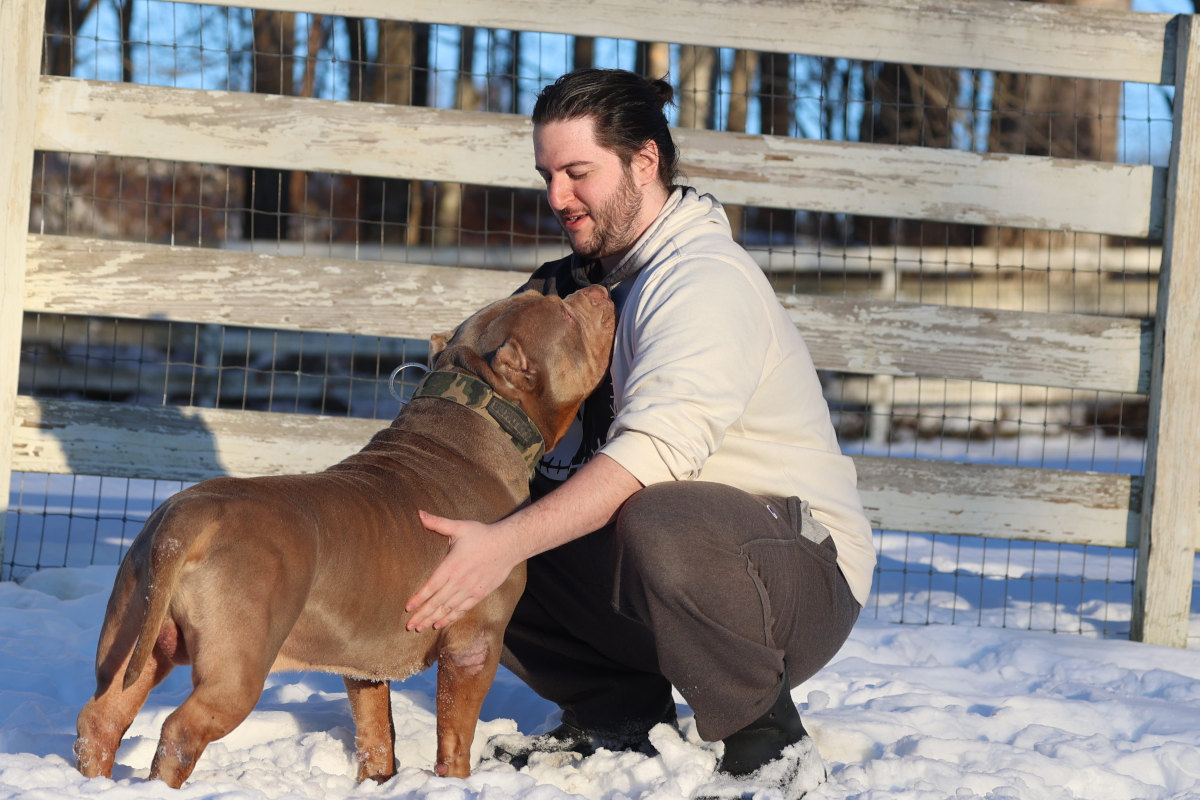
Angelo Presta is a Certified Master Dog Trainer and the owner of The Art of K9, a dog training business based in Harrison, NY, serving Westchester County and Fairfield County, CT. With a focus on structured, relationship-based training, Angelo works with dogs facing everything from basic obedience needs to serious behavioral challenges, including leash reactivity and aggression, through his Board & Train, private in-home, and virtual consultation programs.
Angelo intentionally limits his monthly intake of clients to ensure every dog and owner receives personalized attention, and he emphasizes lasting, real-world results over quick fixes, training dogs to behave reliably not just in a controlled setting, but at home, on walks, and around everyday distractions. Alongside hands-on training, he places a strong emphasis on owner education, equipping clients with the tools to maintain their dog’s progress long after training ends.