
What to Expect From Professional Reactive Dog Training
Walking a reactive dog can feel like defusing a bomb every time you step out the front door. You scan the street for other dogs before you even clip on the leash. You cross to the other side when someone approaches with a stroller. You brace yourself the moment a delivery truck pulls up. If this sounds familiar, professional reactive dog training was built for exactly this situation, and the good news is that reactivity, while stressful to live with, is one of the most common and most treatable behavioral challenges a dog can have. With the right approach, most reactive dogs can learn to move through the world with far less stress, and so can their owners.
Understanding what to actually expect from a reactive dog training program can make the process feel far less intimidating. Reactivity is not a life sentence, and it is not a reflection of a bad dog or a bad owner. It is a pattern of behavior that formed for a reason, and with the right plan, it can be reshaped into something far more manageable.
What Reactivity Actually Looks Like
Reactivity shows up as an intense, often sudden response to a specific trigger, whether that is another dog, a stranger, a bicycle, or even a loud noise. This usually includes barking, lunging, growling, or a dog that seems to completely lose the ability to listen or think clearly the moment the trigger appears. To an outside observer, it can look alarming, especially in public.
One of the most important distinctions to understand is the difference between reactivity and aggression. Reactivity is typically rooted in fear, frustration, or overstimulation rather than a genuine desire to cause harm. A reactive dog often wants distance from the trigger, not conflict with it, even though the outward behavior can look intense and intimidating. Aggression, by contrast, tends to involve a dog that is willing to escalate toward actual contact if the trigger does not retreat. The two can overlap and can be difficult to tell apart without an experienced eye, which is part of why a proper evaluation matters so much before building a training plan.
There are also common misconceptions that make reactivity harder to address. Many owners assume their dog is simply being stubborn, dominant, or poorly socialized, when in reality the behavior is usually a stress response that the dog does not fully control in the moment. Punishing a reactive outburst without addressing the underlying emotional state behind it often makes the behavior worse over time, not better, because it adds more stress to an already overwhelmed dog.
It also helps to understand that reactivity exists on a spectrum. Some dogs only react to a very narrow set of triggers, such as unfamiliar dogs of a similar size, while remaining perfectly calm around everything else. Other dogs seem to react to almost anything unexpected, from a skateboard rolling by to a stranger making direct eye contact. The severity and breadth of a dog’s triggers directly shapes how long training will take and how the plan should be structured, which is another reason generic advice found online rarely works as well as a plan built around one specific dog.
Why Reactive Dogs Need a Specialized Approach
Generic obedience training, while valuable, is often not enough on its own to resolve reactivity. A dog can know how to sit, stay, and heel perfectly in a calm environment and still completely fall apart the moment a trigger appears, because obedience and emotional regulation are two very different skills.
Reactivity is fundamentally rooted in how a dog feels, not just how a dog behaves. A dog that reacts out of fear needs to build confidence and a sense of safety around its triggers. A dog that reacts out of frustration, often because it wants to greet or engage with something and cannot, needs a different kind of impulse control work entirely. Both require a program built specifically around desensitization, or gradually and safely reducing a dog’s emotional response to a trigger, alongside teaching the dog what to do instead of react.
This is why professional reactive dog training tends to look very different from a standard obedience class. It requires controlled setups, careful management of distance and intensity, and a trainer who understands how to read subtle stress signals before a dog fully escalates, rather than waiting for the explosive reaction to happen and then trying to manage it after the fact.
Timing is one of the biggest factors that separates an effective reactivity program from a well-meaning but ineffective one. A dog that is already fully reacting, barking, lunging, and fixated on a trigger is not in a mental state where learning can happen. Effective training happens before that point, catching the early, subtle signs of stress such as a stiffened body, a fixed stare, or a closed mouth, and intervening while the dog is still capable of thinking and responding to guidance. This is a skill that takes real experience to develop, and it is one of the clearest differences between a program built specifically around reactivity and general obedience work that simply was not designed for this particular challenge.
The Evaluation Process
Every effective reactive dog training program starts with a thorough evaluation. This means identifying the dog’s specific triggers, whether that is other dogs, men in hats, children, bicycles, or something more particular, along with understanding the dog’s threshold, or the distance and intensity at which the dog can notice a trigger without immediately reacting.
A trainer will also look closely at the dog’s history and environment. A dog that developed reactivity after a traumatic encounter with another dog needs a different approach than a dog that has simply never been properly socialized. Similarly, a dog living in a busy, high stimulation household may need a different management plan than one in a quieter environment.
From there, realistic and individualized goals are set. For some dogs, the goal might be walking calmly past another dog at a reasonable distance. For others, particularly those with a longer history of reactivity, the initial goal might simply be reducing the intensity and duration of a reaction rather than eliminating it completely right away. Setting the right expectations early on prevents owners from feeling discouraged when progress looks gradual rather than instant.
What a Reactive Dog Training Program Includes
At the core of most reactive dog training programs is controlled exposure and desensitization. This means intentionally exposing a dog to its trigger at a distance or intensity where it can remain calm, then very gradually decreasing that distance over time as the dog’s tolerance builds. Rushing this process almost always backfires, which is why patience and careful progression matter so much.
Alongside desensitization, dogs are taught alternative behaviors and stronger impulse control. Instead of lunging or barking when a trigger appears, a dog learns a different response, whether that is checking in with the owner, moving into a heel position, or performing a specific cue that redirects their focus. Over time, this new response becomes the dog’s default pattern instead of the reactive outburst.
Owner education is just as important as the work done with the dog directly. Owners are taught how to read their dog’s body language before a reaction fully escalates, how to manage distance and environment effectively, and how to reinforce calm behavior consistently. A trainer can build a strong foundation with a dog, but it is the owner who has to maintain that foundation every single day in real situations.
Many programs also incorporate structured exercise and mental enrichment alongside the direct desensitization work. A dog that is chronically understimulated tends to carry more baseline stress and arousal, which makes any trigger harder to manage. Building in adequate physical outlets and mentally engaging activities, such as structured walks, scent work, or puzzle feeders, helps lower a dog’s overall stress level, which in turn makes the specific reactivity work more effective. This is part of why the best programs treat reactivity holistically rather than isolating it as a single behavior to fix in a vacuum.
What Progress Looks Like
Progress with a reactive dog is rarely a straight line, and understanding this ahead of time helps owners stay consistent instead of getting discouraged by an occasional setback. Early progress often looks like a gradual increase in a dog’s tolerance around a trigger, meaning the dog can be slightly closer to the trigger, or exposed to it for a slightly longer period, before showing signs of stress.
Over time, owners typically notice fewer explosive reactions and, just as importantly, a much faster recovery time after a reaction does happen. A dog that used to stay stressed for the rest of a walk after one bad encounter might instead settle back down within a minute or two. This faster recovery is often one of the clearest signs that the underlying emotional response is genuinely shifting, not just being suppressed in the moment.
It is worth being honest about timelines as well. Meaningful improvement often takes weeks to months of consistent work, depending on the severity and history of the reactivity. Consistency matters more than intensity here. A dog that practices calm behavior in small, manageable doses every day will generally progress faster and more reliably than one pushed into overwhelming situations too soon.
Setbacks are also a normal part of the process, not a sign that training has failed. A dog that has been doing well for weeks might suddenly react strongly to an unexpected surprise, such as another dog rounding a corner at close range with no warning. These moments can feel discouraging, but a single setback does not erase weeks of progress. What matters more is how quickly the dog recovers and how the owner handles the situation in the moment, calmly creating distance and moving on rather than panicking or over-correcting, which can add stress on top of an already overwhelming experience for the dog.
Common Mistakes Owners Make Along the Way
Even well-intentioned owners can slow down progress without realizing it. One of the most common mistakes is flooding, or exposing a reactive dog to a trigger at an intensity or distance far beyond what the dog can currently handle. This might look like walking directly toward another dog hoping the reactive dog will simply get used to it. In practice, this usually backfires, reinforcing the fear or frustration rather than reducing it, since the dog never gets the chance to experience the trigger calmly.
Another common misstep is inconsistency in how the household responds to reactive behavior. If one family member calmly redirects the dog during a reaction while another yells or yanks the leash, the dog receives mixed signals about what is actually expected, which slows down the learning process considerably. Getting every member of the household on the same page, using the same cues and the same approach to managing triggers, makes a measurable difference in how quickly a dog progresses.
Owners sometimes also stop management too early. Even a dog that is showing real improvement can still benefit from thoughtful management, such as choosing quieter walking routes or maintaining distance from known triggers, while the underlying training continues to solidify. Dropping all management the moment a dog starts to improve can set progress back further than continuing to manage the environment a little longer than feels strictly necessary.
Why Professional Guidance Makes Such a Difference
It is entirely possible to make some progress with a reactive dog using guides, videos, and general advice found online. However, reactivity is a nuanced behavioral issue, and what works beautifully for one dog can backfire for another depending on the underlying cause of the reaction. An experienced trainer brings the ability to correctly diagnose what is actually driving a specific dog’s behavior, adjust the plan in real time based on how the dog is responding, and catch early warning signs that an untrained eye would likely miss entirely.
There is also real value in having support through the inevitable difficult moments. Reactive dog training is rarely a smooth, linear process, and having a trainer to troubleshoot alongside during a setback or a plateau often makes the difference between owners giving up out of frustration and owners pushing through to real, lasting change.
Work With The Art of K9
The Art of K9 specializes in exactly this kind of work, including cases that other trainers often decline. Built by a trainer who dealt with severe reactivity and aggression in his own dog before founding the company, the program is designed around dogs that need more than a standard obedience class can offer. Depending on the severity of your dog’s reactivity, that might mean an immersive board and train program, ongoing video consults to work through triggers at your own pace, or a combination of both. Call (914) 980-5527 or get in touch here to talk through your dog’s specific triggers and history, and find the right starting point.
Conclusion
Living with a reactive dog is exhausting, but it does not have to be permanent. Professional reactive dog training gives owners a clear, structured path forward, built around understanding what is actually driving the behavior rather than just reacting to the symptoms. With the right evaluation, a realistic plan, and consistent follow-through from both trainer and owner, most reactive dogs can learn to move through the world with far less stress, and their owners can finally stop bracing for the next reaction.
Frequently Asked Questions
Can reactive dogs be fully rehabilitated?
Many reactive dogs improve dramatically with the right training, to the point where they can comfortably navigate situations that used to trigger an immediate reaction. The degree of improvement depends on the dog’s history, the severity of the reactivity, and how consistently the training plan is followed at home.
Is reactive dog training different from puppy training?
Yes. Puppy training generally focuses on foundational obedience and early socialization, while reactive dog training addresses an established emotional and behavioral pattern that requires desensitization, careful management, and a more specialized approach.
How long does it take to see improvement?
Some owners notice small changes within the first couple of weeks, but meaningful, lasting improvement typically takes several weeks to a few months, depending on the dog’s specific triggers and history.
Will my dog need ongoing management after training?
Many reactive dogs benefit from continued structure and occasional refreshers even after significant improvement, particularly around especially challenging triggers. This does not mean training failed. It simply reflects that reactivity is a pattern that benefits from ongoing reinforcement, much like any learned behavior.
What triggers reactivity most commonly?
Other dogs, unfamiliar people, and fast moving objects such as bicycles or skateboards are among the most common triggers, though a dog’s specific history can create triggers that are far more particular to their own experience.
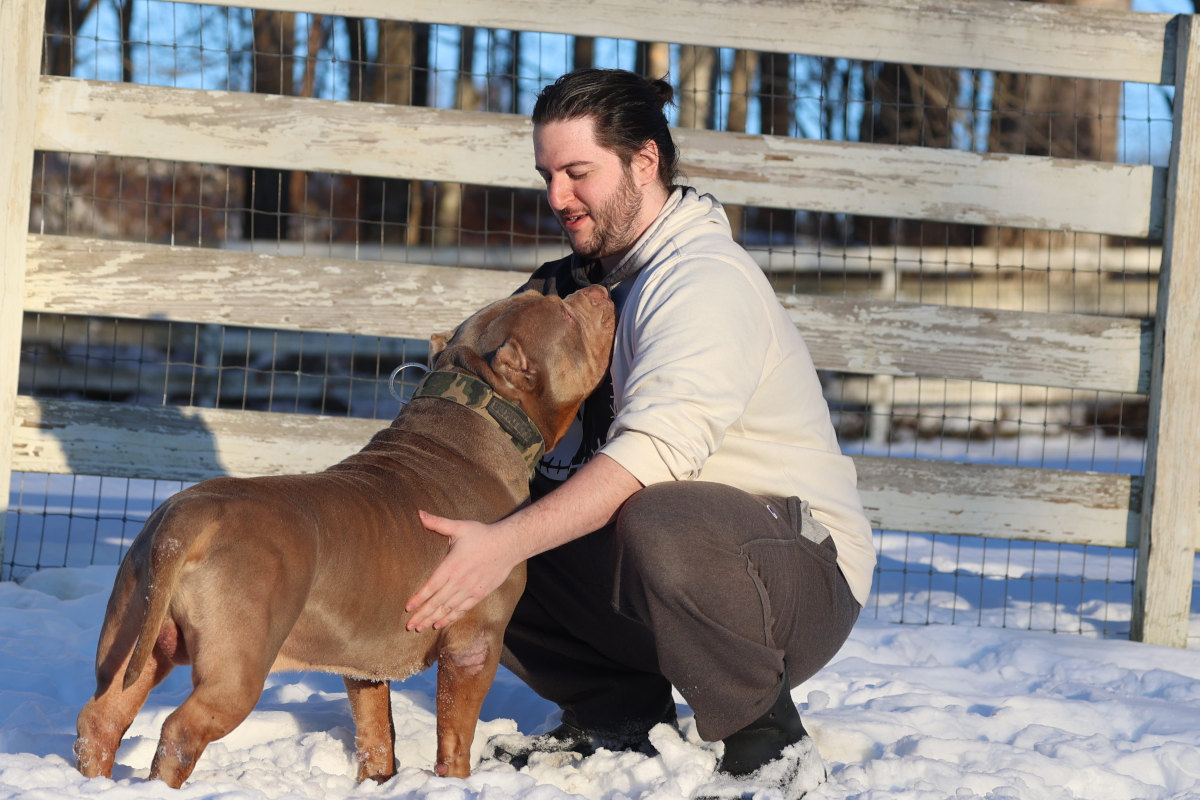
Angelo Presta is a Certified Master Dog Trainer and the owner of The Art of K9, a dog training business based in Harrison, NY, serving Westchester County and Fairfield County, CT. With a focus on structured, relationship-based training, Angelo works with dogs facing everything from basic obedience needs to serious behavioral challenges, including leash reactivity and aggression, through his Board & Train, private in-home, and virtual consultation programs.
Angelo intentionally limits his monthly intake of clients to ensure every dog and owner receives personalized attention, and he emphasizes lasting, real-world results over quick fixes, training dogs to behave reliably not just in a controlled setting, but at home, on walks, and around everyday distractions. Alongside hands-on training, he places a strong emphasis on owner education, equipping clients with the tools to maintain their dog’s progress long after training ends.