
Dog Training Bronxville, NY: What to Expect From Your First Session
Booking your first dog training session can feel a little intimidating, even if you know deep down that your dog needs the help. Will the trainer judge your dog’s behavior? What if nothing seems to work? Is this going to feel awkward or overwhelming? If you’re considering dog training in Bronxville, NY, knowing exactly what to expect from that first session can take a lot of the pressure off, for both you and your dog.
Most owners wait longer than they should to book that first session, usually because they’re not sure what’s actually involved. Some picture a rigid class environment; others worry their dog will be the “problem dog” in the room. In reality, a well-run first session looks nothing like that. It’s a calm, focused conversation and evaluation designed to understand your dog, not put them on trial.
It also helps to remember that trainers see the full range of dog behavior on a regular basis. What feels embarrassing or unmanageable to you at home is usually familiar territory for an experienced trainer, and rarely comes as a surprise. Going in with that mindset takes a lot of the self-consciousness out of the process, and lets you focus on what actually matters: getting your dog the right kind of help.
Before the Session: What Happens First
The process typically starts well before you and your dog meet the trainer in person.
An initial phone call or contact form where you describe your dog’s behavior and your goals
The trainer asks about your dog’s history, current routine, and specific challenges.
A conversation about which program, private lessons, board and train, or something else, fits best
This early step helps the trainer walk into the first session already understanding the bigger picture. It also gives you a chance to ask questions upfront, so you’re not walking in blind on the day of the session itself.
What the First Session Actually Covers
Once you’re in the room, the first session is less of a test and more of an evaluation focused on understanding your dog.
Assessing your dog’s current temperament and obedience level
Digging into the root causes behind problem behaviors, not just the symptoms you see
Setting realistic expectations for what training will look like and how long it may take
A good trainer isn’t looking to catch your dog doing something wrong; they’re looking to understand why the behavior is happening in the first place. This is often the point where owners are surprised to learn that a behavior they assumed was stubbornness or bad manners actually stems from anxiety, lack of structure, or simple miscommunication between dog and owner. Once that root cause is identified, the rest of the training plan tends to make a lot more sense, since it’s addressing the actual source of the behavior rather than just the symptom you see on the surface.
What Owners Should Bring or Prepare
A little preparation helps the first session run smoothly and gives the trainer more to work with.
Your dog’s usual leash, collar, and any training tools you currently use
A clear list of the specific behaviors you want to address
Any questions you have about the process, timeline, or methods
Coming in with specifics, rather than a general “my dog needs help,” gives the trainer a clearer starting point. It also helps to think through your own daily routine beforehand, since training plans work best when they fit realistically into the life you already lead, not an idealized version of it. If certain family members handle walks or feeding more than others, mention that too, since it directly affects how consistently a training plan can be followed at home. Even small details, like whether your dog sleeps in a crate or has full run of the house, can shape how a trainer approaches the plan.
Common Concerns First-Time Clients Have
It’s completely normal to walk into a first session with a few worries. Most owners share the same handful of concerns.
“Is my dog too far gone to train?”
“Will this involve harsh corrections or anything that feels unfair to my dog?”
“How long until I actually start seeing results?”
A trainer who takes the time to answer these honestly, rather than brushing past them, is a good sign you’re in the right hands. If a trainer dismisses your concerns or rushes past them to talk about pricing, that’s usually a sign to keep looking. The trainers worth working with treat these questions as a normal, expected part of the process, not an inconvenience to get through before the real work begins. Feeling heard on these points early on often sets the tone for how comfortable the entire training relationship will be.
What Happens After the First Session
Once the evaluation wraps up, the trainer will typically lay out next steps.
A recommended program based on what they observed, whether that’s private lessons, board and train, or another option
Homework or initial exercises for you to start working on
A plan for how progress will be tracked and communicated moving forward
This is also the point where you’ll get a realistic sense of the timeline ahead.
How to Choose the Right Trainer in Bronxville
Not every trainer approaches dogs the same way, and finding the right fit matters just as much as showing up for the first session.
Look for a trainer who asks detailed questions rather than jumping straight to a sales pitch.
Ask how they handle dogs with your specific challenges, whether that’s reactivity, anxiety, or basic manners.
Pay attention to how they interact with your dog during the evaluation itself.
Trust your own read on whether their communication style and methods feel like a good fit for your household.
A first session is as much about you evaluating the trainer as it is about them evaluating your dog. The right fit on both sides makes the rest of the process far smoother, and it’s a decision worth taking seriously since you’ll likely be working closely with this person for weeks or months to come.
Setting Realistic Expectations Going In
Training is a process, not a single appointment, and understanding that from the start makes the whole experience smoother.
Real change usually takes consistent weeks, not a single session
Your involvement between sessions matters as much as the sessions themselves
Progress isn’t always linear, and occasional setbacks are a normal part of the process
A good trainer will keep you updated on progress, not leave you guessing
Owners who go in with realistic expectations tend to stick with the process and see far better results than those expecting an overnight fix. Approaching training as a shared project between you and your dog, rather than something being done to your dog, tends to produce the strongest and most lasting results.
Dog training in Bronxville, NY starts with a conversation, not a test. The first session is designed to set both you and your dog up for real, lasting success, not to put anyone on the spot. Walking in with an open mind and a little preparation is really all it takes to get started on the right foot.
What to Expect From The Art of K9
At The Art of K9, every first session is structured, judgment free, and focused on understanding your dog’s specific behavior rather than applying a one size fits all approach. We walk Bronxville families through exactly what to expect, recommend the right program for their dog’s needs, and build a clear path forward from day one. If you’re ready to get started, call us at (914) 980-5527 or request a training call to talk through your dog’s behavior.
Frequently Asked Questions
Do I need to prepare my dog before the first session?
No special preparation is necessary. Trainers expect to see your dog’s current behavior as it actually is, so there’s no need to try to fix anything beforehand.
How long does the first session take?
Most initial evaluations run somewhere between thirty minutes and an hour, though this can vary depending on the trainer and the complexity of your dog’s behavior.
Will my whole family be involved?
It’s often helpful if the people who spend the most time with the dog are present, since consistency across the household plays a big role in training success.
What if my dog is reactive during the evaluation?
That’s exactly the kind of information the trainer needs to see firsthand. Reactivity during the first session helps them design a more accurate, effective plan.
How soon can training start after the first session?
This depends on the recommended program and current availability, but many trainers can outline next steps and a start date by the end of the first session itself.
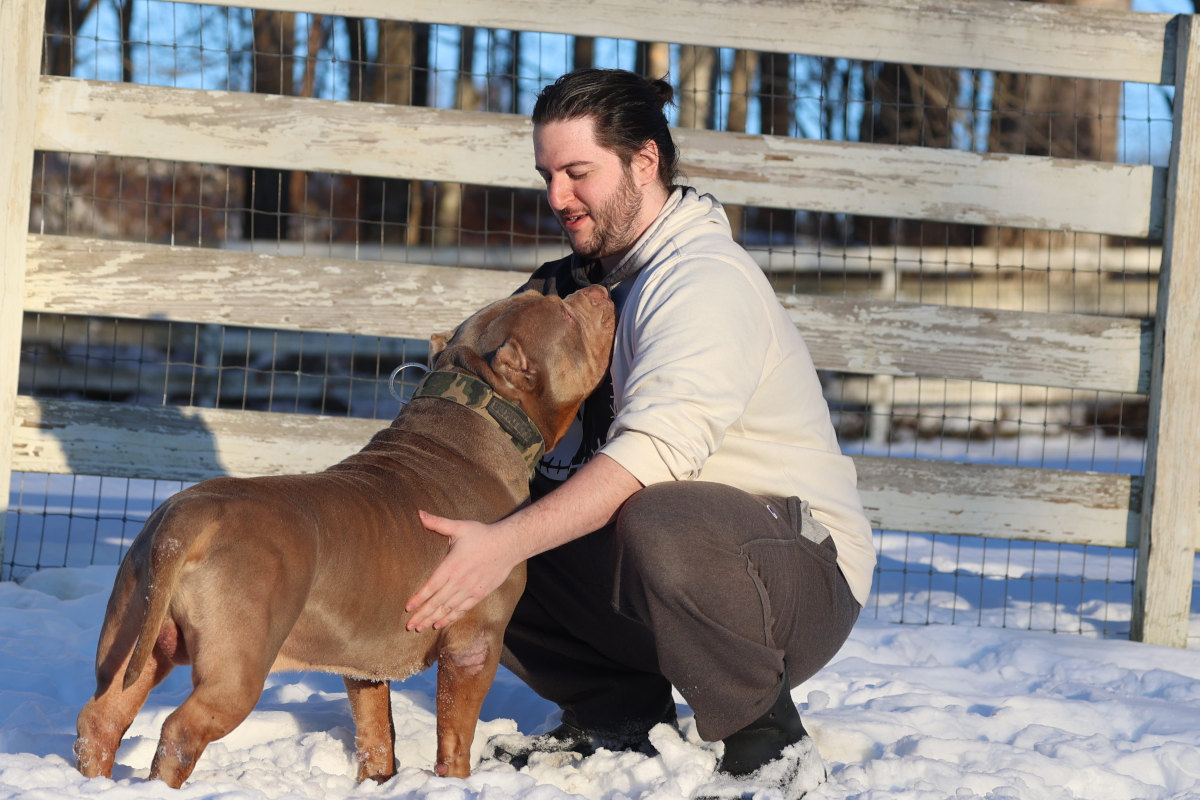
Angelo Presta is a Certified Master Dog Trainer and the owner of The Art of K9, a dog training business based in Harrison, NY, serving Westchester County and Fairfield County, CT. With a focus on structured, relationship-based training, Angelo works with dogs facing everything from basic obedience needs to serious behavioral challenges, including leash reactivity and aggression, through his Board & Train, private in-home, and virtual consultation programs.
Angelo intentionally limits his monthly intake of clients to ensure every dog and owner receives personalized attention, and he emphasizes lasting, real-world results over quick fixes, training dogs to behave reliably not just in a controlled setting, but at home, on walks, and around everyday distractions. Alongside hands-on training, he places a strong emphasis on owner education, equipping clients with the tools to maintain their dog’s progress long after training ends.