
How Professional Dog Training in White Plains Improves Behavior
If you have ever stood on a sidewalk in White Plains getting your arm pulled out of its socket while your dog barks at a passing jogger, you already know how frustrating everyday walks can become. Maybe it is not the leash pulling. Maybe it is the jumping on guests, the ignored commands, or the constant low hum of anxiety that never seems to settle. Whatever the specific issue, professional dog training in White Plains exists for exactly this reason, to turn a chaotic, unpredictable relationship with your dog into one built on structure, trust, and clear communication. This is not about teaching a few party tricks. It is about changing the way your dog thinks, reacts, and responds to the world around them, so that daily life with them becomes something you actually enjoy.
Behavior problems rarely fix themselves. In fact, most of them get worse the longer they go unaddressed, because dogs repeat whatever behavior gets them a result, good or bad. A dog that barks and gets attention learns barking works. A dog that pulls and eventually gets to sniff what it wanted learns pulling works. Understanding why these patterns form is the first step toward understanding how a structured training program actually interrupts and rebuilds them.
Owners often wait far longer than they should before reaching out for help, partly because it is easy to assume a behavior will simply improve with age, and partly because dog training can feel like an overwhelming or vague process from the outside. In reality, waiting rarely helps. The longer a dog practices an unwanted behavior, the more deeply that pattern becomes wired into how they respond to a given trigger, which is why addressing issues early, with a clear and structured plan, tends to produce faster and more lasting results than trying to manage a fully established habit later on.
Why Behavior Problems Happen
Most behavior issues do not appear out of nowhere. They build slowly, often as a result of a few common root causes that owners rarely recognize until the behavior has already become a habit.
The first is a lack of consistent structure or leadership. Dogs are constantly looking for information about who is making decisions in a given environment. When there are no clear rules, no consistent boundaries, and no predictable consequences for behavior, dogs often step into that leadership gap themselves. This is not about dominance in the outdated sense of the word. It is about a dog understanding, or failing to understand, what is expected of them and who they can rely on for direction.
The second common cause is under-stimulation. A dog that does not get enough mental or physical outlet for its energy will find its own outlets, and those outlets are rarely convenient for the owner. Digging, chewing, excessive barking, and hyperactivity around guests often trace back to a dog that simply has too much unused energy and no healthy way to release it.
The third, and perhaps the most overlooked, is that owners often unintentionally reinforce the very behaviors they are trying to eliminate. Picking up a barking dog to calm it down, giving in to jumping with attention, or letting a dog pull toward something exciting all send the message that the behavior works. Dogs do not understand good intentions. They understand outcomes, and if an outcome is rewarding, the behavior will continue and often intensify over time.
There is also a timing factor that many owners miss entirely. Puppies go through key developmental windows during their first several months where socialization and early structure make an enormous difference in how they handle new people, dogs, and environments later in life. When that window passes without enough positive exposure, dogs can grow into adults who are uncertain or overwhelmed by situations that would not have bothered them with earlier guidance. This does not mean the damage is permanent. It simply means the training process may need to work a little harder to build the confidence that early socialization would have provided naturally.
What Professional Training Actually Changes
This is where a structured program makes the biggest difference, because it does not simply suppress a behavior. It replaces the underlying communication problem that caused it in the first place.
A well-run training program builds a clear, consistent language between dog and owner. Dogs are not naturally fluent in human expectations. They learn through repetition, timing, and consequence, and a trainer’s job is to translate what the owner wants into a system the dog can actually understand and rely on. Once that translation happens, dogs tend to relax, because uncertainty is often what fuels anxious or reactive behavior in the first place.
Training also establishes boundaries that hold up outside of a controlled training environment. Anyone can get a dog to sit in a quiet living room with a treat in hand. The real test is whether that dog will listen at a busy White Plains farmers market, on a crowded sidewalk downtown, or when a squirrel darts across the yard. Professional programs are built around proofing behavior in real-world conditions, not just controlled repetition.
Perhaps most importantly, good training addresses the root cause of a behavior rather than just managing the symptom. A dog that lunges at other dogs out of fear needs a very different approach than a dog that lunges out of excitement, even though the visible behavior looks similar. A trainer who understands the difference can build a plan that actually resolves the underlying issue instead of simply suppressing the outward expression of it.
Common Behaviors Addressed
Most owners who reach out for professional dog training in White Plains are dealing with one or more of a handful of recurring issues.
Leash pulling and reactivity on walks are among the most common complaints. Some dogs pull simply out of excitement and a lack of leash manners. Others react to triggers such as other dogs, bicycles, or strangers with barking, lunging, or freezing. Both require different strategies, but both are addressed through structured leash work, clear communication, and gradual exposure to distractions.
Jumping on guests, excessive barking, and resource guarding are also frequent concerns, particularly in homes with children or frequent visitors. These behaviors often stem from a mix of excitement, poor impulse control, and a lack of clear house rules, all of which respond well to consistent structure and boundary setting.
Poor recall and weak impulse control round out the list. A dog that will not come when called is not just an inconvenience, it can be a genuine safety issue, especially near roads or off leash areas. Rebuilding recall requires patience, the right motivation, and a training system that makes coming back to the owner more rewarding than whatever distraction pulled the dog’s attention away in the first place.
Separation related stress and general anxiety in the home also show up often, particularly in rescue dogs or dogs who experienced a major change such as a move or a new family member. These dogs may pace, whine, destroy furniture, or struggle to settle even when nothing obvious is happening around them. Addressing this kind of behavior usually involves building the dog’s overall confidence and sense of structure first, since anxious dogs generally do not respond well to training approaches that focus only on the surface level symptoms without giving the dog a stronger sense of security to fall back on.
What to Expect From a Training Program
Every solid training program begins with an honest assessment. A trainer needs to understand a dog’s temperament, history, triggers, and the specific goals the owner has for their dog before building a plan. This is not a one size fits all process, because a shy, anxious rescue and a confident, high energy puppy need very different approaches even if their surface level behaviors look similar.
From there, a personalized plan is built around the dog and the household. This includes not just the training exercises themselves, but how those exercises fit into the family’s daily life, their schedule, and their long-term goals. A plan that works beautifully in a training facility but falls apart the moment the dog gets home is not a good plan.
Ongoing owner coaching is one of the most important, and most often overlooked, parts of the process. A dog can learn a behavior perfectly with a trainer and still struggle at home if the owner is not taught how to maintain that structure. The best programs invest heavily in teaching owners how to read their dog, apply consistent cues, and reinforce what the dog has learned long after the formal training sessions end.
Communication throughout the process matters as well. Owners should expect regular updates on how their dog is progressing, honest feedback about what is working and what still needs attention, and a clear explanation of what comes next at each stage. Training should never feel like a black box where a dog disappears for a few weeks and reappears with no context about how the change actually happened. Understanding the why behind each exercise is what allows an owner to maintain results long after a program officially ends, because they are not just following instructions, they actually understand how their dog thinks and responds.
Long-Term Benefits
The payoff of investing in real, structured training goes far beyond a dog that sits and stays on command. Owners who commit to the process consistently describe a calmer, more confident dog, one that handles new situations without spiraling into stress or reactivity.
The relationship between dog and owner also tends to shift in a meaningful way. When a dog trusts that its owner will provide clear direction and consistent boundaries, that dog relaxes into the relationship rather than constantly testing it. Many owners describe this as feeling like they finally have a real partnership with their dog rather than a daily battle of wills.
Perhaps the most practical benefit is that a well-trained dog becomes far easier to include in everyday life. Trips to pet friendly stores, visits from friends and family, walks through busy parts of town, all of these become manageable rather than stressful once a dog has the structure and impulse control to handle them.
There is also a quieter, less obvious benefit that many owners do not anticipate going into the process. Once a dog has real structure, owners themselves often feel less stressed day to day. A great deal of the frustration that builds up around a poorly behaved dog comes from constantly managing unpredictability, whether that means bracing for a reaction on every walk or apologizing to guests for jumping and barking. When that unpredictability fades, the whole household tends to settle into a calmer rhythm, and the dog stops being a source of daily stress and becomes what most owners wanted in the first place, a genuine companion.
Choosing the Right Training Approach for Your Dog
Not every dog needs the same level of intervention, and part of a trainer’s job is helping owners understand which approach actually fits their situation. A young, generally well-behaved dog that just needs polish on basic manners is a very different case from an adult dog with a long history of reactivity or anxiety, and the right program should reflect that difference rather than applying a generic template to every case that walks through the door.
Board and train programs tend to work well for owners who want faster, more immersive results and who may not have the time or experience to run daily training sessions on their own. Because the dog is fully immersed in a structured environment, habits tend to form more quickly and consistently than they might with scattered at-home practice alone. Private in-home sessions and virtual consults, on the other hand, can be a strong fit for owners who want to be more hands-on throughout the process or whose dog’s issues are mild enough to be addressed without a longer stay away from home.
Whatever the format, the most important factor is finding a trainer who takes the time to actually evaluate your dog rather than pushing every client toward the same program. A good assessment call should feel like a real conversation about your dog’s specific behavior, not a sales pitch.
Work With The Art of K9
The Art of K9 has spent over a decade helping Westchester and Fairfield County families work through everything from basic manners to serious behavioral challenges, including cases many other trainers turn away. Every plan starts with a real conversation about what is going on with your dog, followed by a program built around your household and your goals, whether that means a focused board and train program or ongoing support through video consults. If you are ready to see real change in your dog’s behavior, call (914) 980-5527 or reach out here to talk through what is going on and find the right next step.
Conclusion
Behavior problems are rarely a reflection of a bad dog. More often, they are a sign that a dog has not yet been given the structure, communication, and consistency it needs to succeed. Professional dog training in White Plains gives both dogs and owners the tools to break out of frustrating patterns and build a relationship based on trust rather than guesswork. The change is not always instant, but with the right program and consistent follow-through, it tends to last.
Frequently Asked Questions
How long does professional dog training take to show results?
Most owners begin to see meaningful changes within the first few weeks of consistent training, though full behavior change, especially for more serious issues, can take longer depending on the dog’s history and the complexity of the behavior being addressed.
Can any dog be trained regardless of age or breed?
Yes. While puppies tend to learn new habits faster, adult and senior dogs are fully capable of learning new behaviors and unlearning old ones with the right approach and enough consistency from their owners.
Do I need to be present during training sessions?
It depends on the program. Some formats, such as board and train, handle the initial training in a structured environment, but owner involvement through follow-up sessions is essential to make sure the dog’s new behaviors transfer successfully to the home.
What’s the difference between group classes and private training?
Group classes are useful for basic obedience and socialization in a controlled setting, while private or board and train programs allow for a fully customized plan that addresses a specific dog’s individual triggers, history, and behavioral challenges.
How much does professional dog training cost?
Pricing varies based on the type of program, its length, and the complexity of the behavior being addressed. The best way to get an accurate estimate is to talk through your dog’s specific situation directly with a trainer.
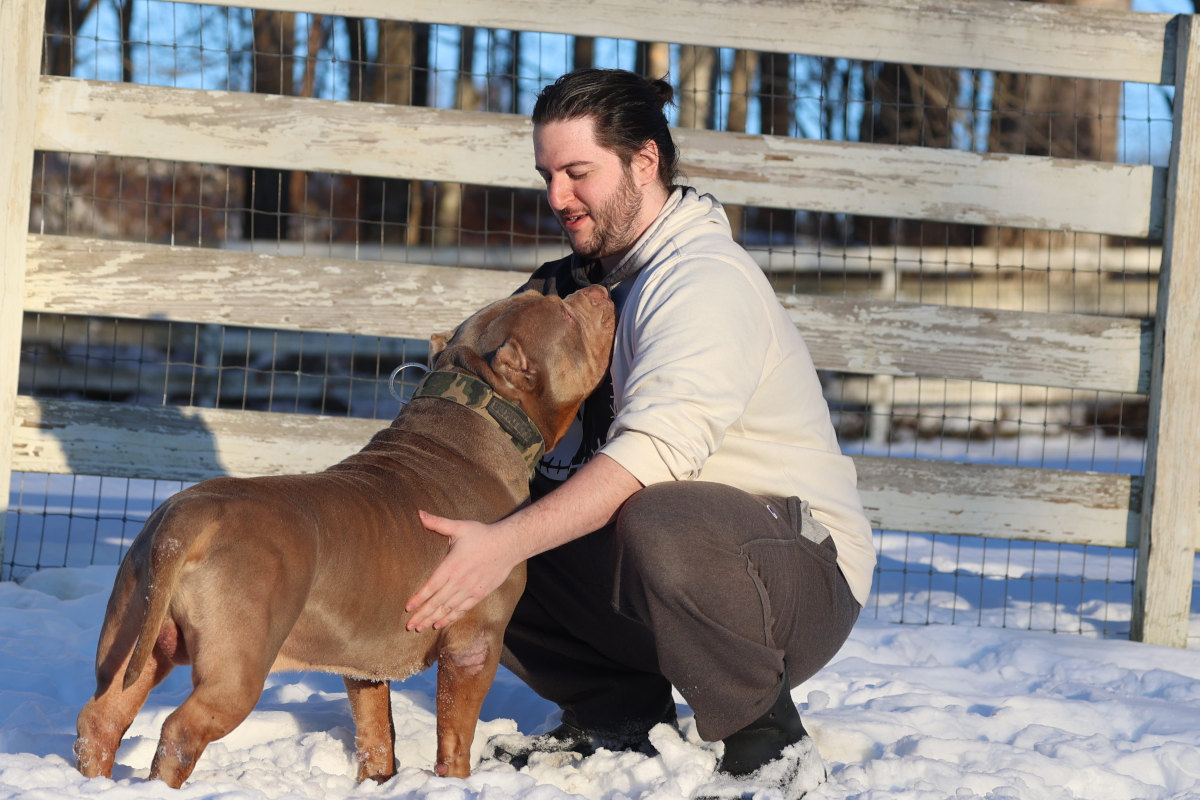
Angelo Presta is a Certified Master Dog Trainer and the owner of The Art of K9, a dog training business based in Harrison, NY, serving Westchester County and Fairfield County, CT. With a focus on structured, relationship-based training, Angelo works with dogs facing everything from basic obedience needs to serious behavioral challenges, including leash reactivity and aggression, through his Board & Train, private in-home, and virtual consultation programs.
Angelo intentionally limits his monthly intake of clients to ensure every dog and owner receives personalized attention, and he emphasizes lasting, real-world results over quick fixes, training dogs to behave reliably not just in a controlled setting, but at home, on walks, and around everyday distractions. Alongside hands-on training, he places a strong emphasis on owner education, equipping clients with the tools to maintain their dog’s progress long after training ends.