
How Board and Train Programs Help Aggressive Dogs
If you have tried weekly training sessions with an aggressive dog and felt like you were barely making progress, you are not alone. A single hour once a week, with days of inconsistency in between, is often simply not enough structure to meaningfully change a deeply rooted behavior like aggression. This is exactly where board and train programs for aggressive dogs come in, offering an immersive, consistent alternative to piecemeal weekly lessons. Instead of squeezing training into brief windows around an otherwise unchanged routine, a board and train program surrounds the dog with structure around the clock, which for many aggressive dogs makes all the difference between slow, inconsistent progress and real, lasting change.
What a Board and Train Program Is
A board and train program is exactly what it sounds like. A dog lives on-site with a trainer or training facility for a set period, typically ranging from several weeks to a couple of months depending on the severity of the behavior being addressed, receiving focused, daily training throughout their stay.
This model combines the practical logistics of boarding with the structured behavior work of a dedicated training program. Rather than an owner trying to fit training sessions around work, family obligations, and daily life, the dog is fully immersed in a training environment where structure, consistency, and clear communication are present in every interaction, all day, every day.
One underappreciated benefit of this model is that it temporarily removes the dog from the environment where the aggressive behavior originally developed and became reinforced. A dog that has learned to react aggressively to a specific person, situation, or pattern within the home often carries deeply ingrained associations with that environment. Stepping outside of it, even temporarily, can make it considerably easier to build new patterns without the old triggers constantly present and interfering with the process.
This is part of why board and train programs for aggressive dogs tend to produce faster, more consistent results than at-home training alone for many serious cases. It is not that at-home training cannot work, it is that the home environment itself is often part of what is maintaining the aggressive pattern in the first place, whether through inconsistent handling, established triggers, or simply the difficulty of applying new techniques correctly without direct, in the moment guidance from an experienced trainer.
Why Immersion Helps With Aggression
Consistency is one of the most critical factors in successfully addressing aggression, and it is exactly what weekly sessions struggle to provide. A dog that receives clear, structured guidance for one hour and then goes back to an unstructured routine for the remaining hours of the week receives a confusing, inconsistent message about what is actually expected of them.
Board and train programs solve this by removing the gaps entirely. Consistency without interruption allows new behaviors and responses to become genuinely ingrained habits rather than something the dog only performs occasionally under specific conditions. This is particularly important for aggression, where inconsistent handling can actually reinforce the very behavior a program is trying to eliminate.
Immersion also gives trainers the ability to observe and address behavior in real time, throughout the full range of a dog’s daily routine, not just during a scheduled session. This means a trainer can catch and respond to triggers as they naturally arise, whether that happens during a meal, a walk, or an unexpected interaction, rather than trying to recreate those situations artificially during a brief weekly appointment.
This constant observation also allows for much faster identification of a dog’s specific triggers and thresholds. A trainer working with a dog around the clock will typically identify patterns and triggers far more quickly than one who only sees the dog for an hour each week, which translates directly into a more accurate, more effective training plan built around what is actually driving the dog’s aggressive behavior.
There is also a compounding effect that comes from consistent, daily repetition. Every correctly handled interaction throughout the day, from a calm entrance into a room to a controlled greeting at feeding time, reinforces the same underlying lesson from a slightly different angle. Over the course of several weeks, these small, consistent moments add up to a much deeper, more reliable change in behavior than the same number of lessons spread out over months of once a week sessions, simply because the dog is practicing the correct response far more frequently and with far less opportunity to fall back into old patterns in between.
What Happens During the Program
Daily structured training sessions form the core of a board and train program, but the training extends well beyond formal sessions into every part of the dog’s daily routine. Feeding, leash walks, crate time, and general handling all become opportunities to reinforce structure and appropriate behavior, rather than being treated as separate from the training itself.
Controlled exposure is introduced carefully and deliberately, based on the dog’s specific triggers and current threshold. This might involve gradually introducing the dog to new people, environments, or situations that would have previously triggered an aggressive response, always at a pace and intensity the dog can handle without becoming overwhelmed.
Socialization decisions during this process are made carefully and on a case by case basis. Not every aggressive dog is a good candidate for direct socialization with other dogs, particularly early in a program, and an experienced trainer understands when introducing that kind of exposure will help versus when it will set a dog back or create unnecessary risk.
Throughout the program, owners should expect regular updates on their dog’s progress. This keeps the process transparent and gives owners a realistic sense of how their dog is responding, what specific behaviors are improving, and what challenges remain, rather than simply waiting weeks for a finished result with no context along the way.
Safety protocols also play a significant role throughout the program, particularly for dogs with a bite history or a strong prey drive toward other animals. Experienced facilities build their entire daily routine, from how dogs move between spaces to how staff handle feeding and equipment, around minimizing risk while still allowing the dog to make genuine behavioral progress. This careful balance between safety and meaningful exposure is one of the clearer signs that a facility genuinely understands how to work with aggression, rather than simply avoiding it by keeping a dog isolated for the full duration of their stay without real training progress happening at all.
Owner Involvement and Transition Home
A common misconception about board and train programs is that the owner’s role ends once the dog is dropped off. In reality, owner involvement is essential to making the results actually last once the dog returns home. Most quality programs include dedicated handoff sessions where the trainer works directly with the owner, teaching the specific techniques, cues, and handling strategies used throughout the dog’s stay.
This transition period is critical, particularly for aggression cases, because a dog that has learned new behaviors with a trainer will only maintain those behaviors at home if the owner is equipped to apply the same structure and consistency the dog experienced during the program. Without this transfer of skills, even a dog that made significant progress during their stay can regress once the immersive structure of the program ends.
Follow-up support after the program is equally important. Aggression, even when significantly improved, is generally something that benefits from ongoing management and periodic reinforcement rather than being treated as permanently solved after a single program. Access to follow-up sessions, phone support, or refresher visits gives owners a safety net as they navigate real-world situations the trainer may not have specifically covered during the program itself.
Setting realistic expectations about maintenance is part of this process as well. A board and train program can produce dramatic improvement, but it does not eliminate the need for an owner to maintain structure, boundaries, and consistent handling once the dog is home. Owners who understand this going in tend to have far more success maintaining their dog’s progress long term than those who expect the program alone to permanently resolve the behavior with no further effort required.
The first few weeks after a dog returns home tend to be the most important window for locking in the progress made during the program. Dogs are highly sensitive to changes in structure and consistency, and a household that gradually drifts back to old habits, skipping structured walks, allowing behaviors that were previously off limits, or handling triggers inconsistently, can undo weeks of progress surprisingly quickly. Owners who commit to maintaining the same level of structure at home that their dog experienced during the program tend to see progress hold steady, while those who relax too quickly sometimes see old behaviors gradually resurface.
How Board and Train Compares to Other Training Formats
Understanding how board and train stacks up against other formats can help owners decide whether it is the right fit for their specific situation. Private in-home sessions offer the benefit of the trainer working directly within the dog’s actual environment, which can be valuable for milder behavioral issues, but this format generally requires significantly more time to produce comparable results with a serious aggression case, simply because the dog is only receiving structured guidance during scheduled visits rather than throughout the full day.
Group classes, while useful for basic obedience and general socialization, are typically not appropriate at all for dogs with significant aggression concerns, since the presence of multiple unfamiliar dogs and people in a shared space introduces exactly the kind of uncontrolled exposure that a structured aggression program is specifically designed to avoid early on.
Virtual or video based consults can be a valuable complement to board and train, particularly for ongoing support after a program ends, but they are generally not sufficient as a standalone solution for moderate to severe aggression, since a trainer working remotely cannot directly intervene or manage the dog’s environment and triggers in real time the way an in-person, immersive program allows.
For dogs with serious aggression, board and train often ends up being the most time efficient option overall, even though the upfront time commitment can look significant compared to a handful of scattered weekly sessions. The concentrated, consistent nature of the program frequently produces more reliable results in a shorter overall timeframe than spreading the same amount of total training time across many months of once a week sessions.
Who Is a Good Fit for Board and Train
Board and train programs tend to be particularly well suited to dogs with moderate to severe aggression or reactivity, where the depth and consistency of an immersive program can address the behavior more effectively than sessions spread out over weeks or months. Dogs with a documented bite history, significant resource guarding, or aggression toward people or other dogs often benefit the most from this level of structured, consistent intervention.
This format also tends to suit owners who need faster, more intensive results, whether due to safety concerns at home, an upcoming life change, or simply wanting to see meaningful progress within a defined timeframe rather than an open ended, indefinite process.
Dogs that have not responded well to at-home training or weekly sessions alone are also strong candidates for a board and train approach. If previous training attempts have stalled or produced only minor, inconsistent improvement, the level of structure and consistency provided by an immersive program can often succeed where a less intensive approach previously fell short.
It is worth noting that board and train is not exclusively for dogs with aggression. Many owners choose this format simply to build a strong foundation of obedience and reliability more quickly than at-home training would allow. For aggression cases specifically, though, the depth of structure this format provides is often what separates a dog that continues to struggle from one that goes on to live a genuinely calmer, more manageable life.
Work With The Art of K9
The Art of K9 was built specifically around cases like this, including dogs with bite history, serious reactivity, and aggression that other trainers have declined to take on. Our board and train programs range from four to eight weeks depending on the severity of your dog’s behavior, with every plan built around thorough owner education so results actually last once your dog comes home. Many clients also continue reinforcing progress through overnight boarding or ongoing video consults after the initial program ends. Call (914) 980-5527 or reach out here to talk through your dog’s specific history and find the program that fits.
Conclusion
Aggression is a serious behavioral challenge, and it deserves an approach built around real consistency rather than scattered, once a week intervention. Board and train programs for aggressive dogs offer exactly that, combining daily structured training, real-time observation, and careful, individualized handling in a way that weekly sessions alone often cannot match. With the right program, the right trainer, and genuine owner involvement in the transition home, many dogs with serious aggression issues go on to live calmer, safer, and far more manageable lives.
Frequently Asked Questions
How long does a board and train program typically last? Programs generally range from four to eight weeks depending on the severity of the dog’s behavior, with more serious aggression or reactivity cases typically requiring a longer stay to properly address the underlying issue.
Will I be able to visit my dog during the program?
Visitation policies vary by program and are often limited during the early stages, since visits can sometimes disrupt the consistency the dog needs while building new habits. Ask directly about a specific facility’s visitation policy before enrolling.
What happens after the board and train period ends? Most quality programs include handoff sessions to transfer the training techniques to the owner, along with follow-up support to help maintain the dog’s progress and address any challenges that arise once the dog is back in their regular environment.
Is board and train safe for aggressive dogs?
When run by experienced handlers specifically trained in aggression, board and train programs can be a very safe and effective option, often safer than attempting to manage severe aggression through inconsistent at-home efforts alone.
How is progress measured during the program?
Progress is typically measured through a combination of behavioral milestones, such as reduced reactivity to specific triggers, improved impulse control, and consistent response to commands, along with regular updates and observations shared with the owner throughout the stay.
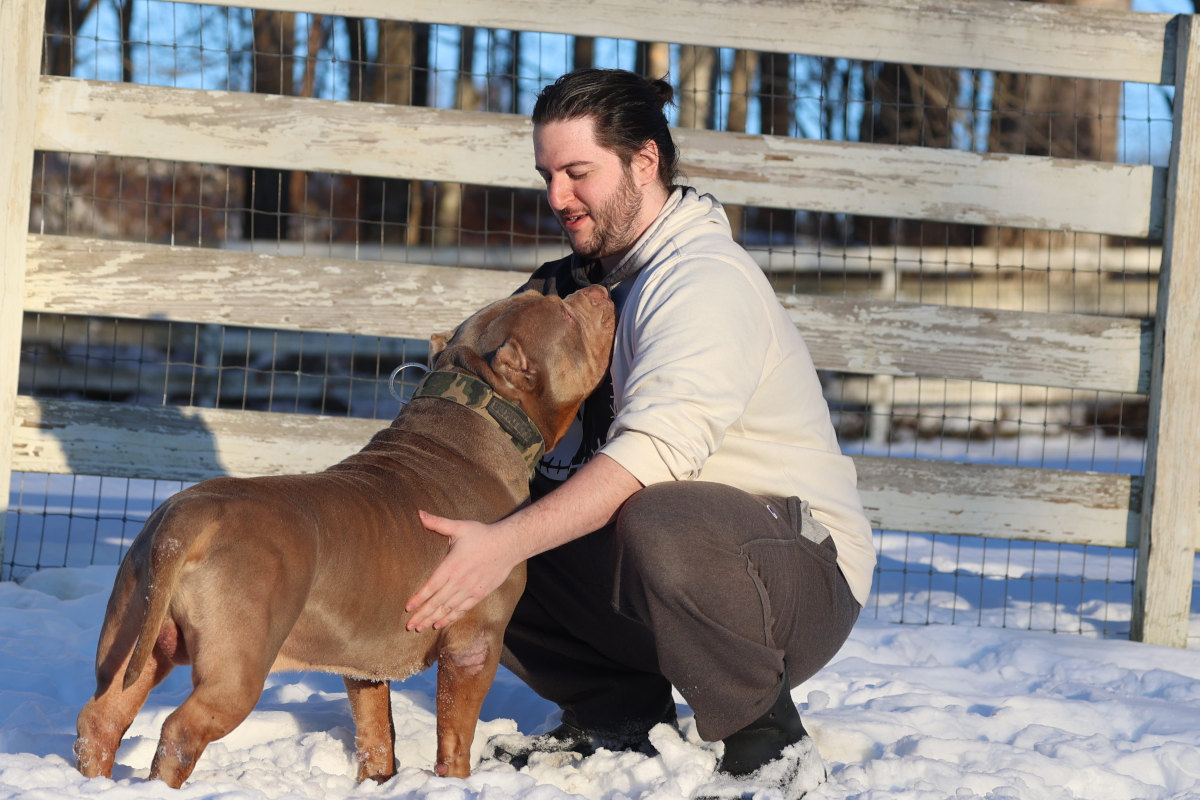
Angelo Presta is a Certified Master Dog Trainer and the owner of The Art of K9, a dog training business based in Harrison, NY, serving Westchester County and Fairfield County, CT. With a focus on structured, relationship-based training, Angelo works with dogs facing everything from basic obedience needs to serious behavioral challenges, including leash reactivity and aggression, through his Board & Train, private in-home, and virtual consultation programs.
Angelo intentionally limits his monthly intake of clients to ensure every dog and owner receives personalized attention, and he emphasizes lasting, real-world results over quick fixes, training dogs to behave reliably not just in a controlled setting, but at home, on walks, and around everyday distractions. Alongside hands-on training, he places a strong emphasis on owner education, equipping clients with the tools to maintain their dog’s progress long after training ends.