
What to Expect from a Board and Train Program for Your Dog
Sending your dog away for training can feel like a big step, especially if you have never done it before and are not quite sure what actually happens once you drop them off. If you are considering a board and train program, understanding what to expect can make the whole process feel a lot less intimidating and help you decide if it is the right fit for your dog.
This post walks you through what typically happens from the first day to pickup, so you know exactly what you are signing up for.
Why Board and Train Works So Well
Board and train programs are built around one simple idea: consistency creates faster, more reliable results.
- Daily, immersive training builds habits much faster than once-a-week lessons ever could
- Removing the inconsistency of a busy household schedule allows the dog to focus entirely on learning.
- A fresh environment gives the dog a chance to build new habits without old triggers and routines getting in the way
Dogs, like people, learn best through repetition. A program built around daily practice simply moves the needle faster than sporadic sessions squeezed in between work and family life.
What Happens in the First Few Days
The first few days of any board and train program are less about teaching commands and more about laying the groundwork.
- The trainer spends time assessing temperament, triggers, and existing habits
- Trust and communication are built before any advanced obedience work begins.
- The dog settles into a new routine and structure, which helps reduce anxiety around the transition.
This early period matters more than people often realize. A dog that trusts its handler and understands the new structure will progress much faster once real training begins.
Core Obedience and Skills Taught
Once the foundation is set, training moves into the core skills that make up a well-mannered, reliable dog.
- Off leash reliability, along with commands like place, come, and heel
- Loose leash walking so walks become enjoyable instead of a tug of war
- Impulse control around common distractions like people, other dogs, and food
These are not just tricks for show. They are the building blocks that give a dog structure and give an owner real control in everyday situations.
Real World Proofing Matters
A dog that behaves perfectly inside a training facility but falls apart the moment it steps outside has not actually learned much. That is why real-world proofing is such an important part of any solid board and train program.
- Training is practiced in public settings, not just inside a controlled facility.
- Dogs are gradually exposed to distractions they will face in everyday life, from busy sidewalks to crowded parks
- The goal is obedience that holds up no matter where the dog is or what is happening around it.
Addressing Behavior Issues Along the Way
Many dogs enter a board and train program for more than just basic manners. Reactivity, resource guarding, and fear-based behaviors are common reasons owners seek this kind of structured environment.
- These issues are addressed alongside obedience work, not as an afterthought.
- Building confidence in a structured, controlled setting helps dogs work through underlying fears
- A well-rounded program balances discipline with the mental engagement every dog needs to feel fulfilled
What Owners Should Expect After Pickup
The program does not end the moment your dog gets back in the car. What happens after pickup is just as important as what happened during training.
- A handoff session teaches you the same cues and structure your dog learned during the program.
- It is normal for a dog to need a short adjustment period once it is back home
- Ongoing support after the program helps keep progress consistent instead of letting it slip.
Owners who stay consistent with the structure they were taught tend to see the best long-term results.
Final Thoughts
A board and train program builds obedience, structure, and trust in a shorter timeframe than most owners could achieve working on their own. It is an investment, but one that pays off in a calmer, more reliable dog and a much easier day-to-day life at home.
Choose the Right Program with The Art of K9
At The Art of K9, we offer 4, 6, and 8-week Boarding & Training programs, each matched to your dog’s specific needs, from basic manners to more serious behavioral challenges. We intentionally keep our intake limited so every dog gets the focused attention it deserves.
For clients who have already gone through a program with us, we also offer Overnight Boarding to continue reinforcing that structure. Not sure which program length fits your dog? Request a training call or call us at (914) 980-5527, and we will help you figure out the best path forward.
Frequently Asked Questions
How long should a board and train program last?
It depends on your dog’s needs. Shorter programs, around four weeks, tend to work well for basic manners, while dogs with more serious behavioral issues often benefit from six to eight weeks.
Will my dog forget its training once it comes home?
Not if you stay consistent with the structure and cues taught during the handoff session. Most reputable programs include follow-up support to help you maintain progress.
Is board and train safe for a young puppy?
Many programs work well with puppies, though the right age to start depends on the individual dog and program. It is worth discussing your puppy’s age and temperament directly with the trainer.
What is included in a board and train program?
Most programs include daily training sessions, real-world proofing outside the facility, and a handoff session teaching the owner how to maintain the dog’s progress at home.
Can board and train help with a dog that is reactive or fearful?
Yes, many board and train programs are specifically designed to work through issues like reactivity, fear, and resource guarding alongside standard obedience training.
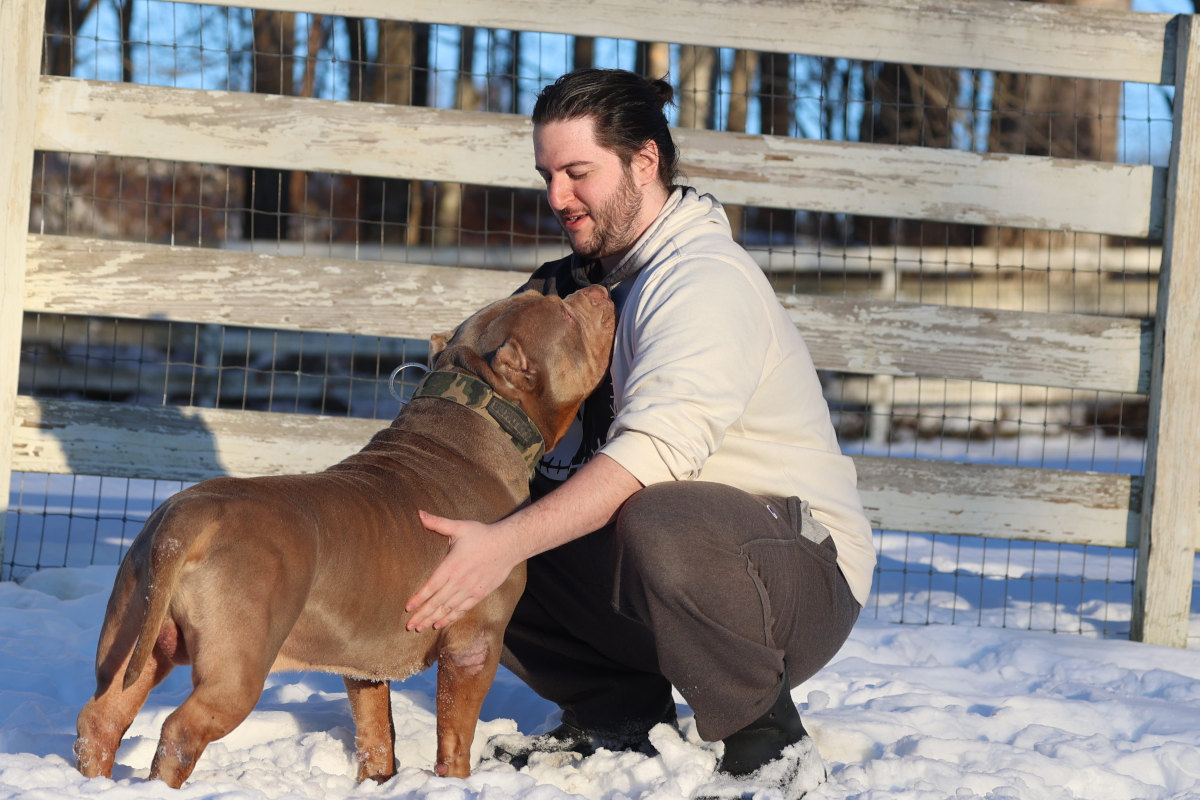
Angelo Presta is a Certified Master Dog Trainer and the owner of The Art of K9, a dog training business based in Harrison, NY, serving Westchester County and Fairfield County, CT. With a focus on structured, relationship-based training, Angelo works with dogs facing everything from basic obedience needs to serious behavioral challenges, including leash reactivity and aggression, through his Board & Train, private in-home, and virtual consultation programs.
Angelo intentionally limits his monthly intake of clients to ensure every dog and owner receives personalized attention, and he emphasizes lasting, real-world results over quick fixes, training dogs to behave reliably not just in a controlled setting, but at home, on walks, and around everyday distractions. Alongside hands-on training, he places a strong emphasis on owner education, equipping clients with the tools to maintain their dog’s progress long after training ends.