
Obedience Training for Aggressive Dogs That Builds Trust and Control
It is easy to assume that an aggressive dog is simply a bad dog, but in most cases, aggression comes from a lack of structure and trust rather than a flaw in the dog’s character. Obedience training for aggressive dogs works by rebuilding that missing foundation, giving the dog clear boundaries it can rely on and giving the owner real control in difficult moments.
This post breaks down how obedience and behavior work together, and what that process actually looks like.
The Connection Between Obedience and Aggression
Dogs without clear structure often feel like they have to make decisions on their own, and that uncertainty can show up as reactive or aggressive behavior.
- Consistent obedience training gives a dog boundaries it can depend on
- Structure reduces the uncertainty that often fuels reactive moments
- A dog that understands what is expected of it tends to feel calmer overall, even in stressful situations
This is one reason why reward-based training methods are widely regarded among the most researched and well-supported approaches to changing animal behavior, producing more reliable long-term results than approaches that rely on fear or force, according to research summarized by Zoom Room. Structures built on trust tend to hold up far better than structures built on intimidation.
Building a Foundation of Trust First
Jumping straight into advanced commands without first building trust tends to backfire, especially with a dog that already has a history of aggression.
- Calm, consistent communication should come before any advanced obedience work begins.
- Trust between dog and handler needs to be established before real behavior change can happen
- That same trust carries over to the owner once training transitions back home
Skipping this step is one of the most common reasons training plans for aggressive dogs fail to stick.
Core Commands That Help Manage Aggressive Behavior
Certain commands do more than look impressive. They give an owner practical tools to manage real situations as they happen.
- The place command gives a dog somewhere to settle during high-stress moments.
- A solid recall can interrupt a reaction before it has the chance to escalate
- Loose leash walking reduces tension and unpredictability during walks near potential triggers
These commands become second nature with enough repetition, which means they are available exactly when they are needed most.
Layering in Real World Control
Obedience commands only matter if they hold up in the situations that actually cause problems.
- Training is practiced directly around the specific triggers that cause a reaction.
- Distractions are increased gradually as the dog shows consistent, reliable responses.
- The dog learns to look to its handler for direction instead of reacting on its own
This gradual layering is what separates training that looks good in a quiet room from training that actually works in real life.
Helping Owners Maintain Control Long Term
Training a dog is only half the process. Teaching the owner how to maintain that training is what makes the results last.
- Owners are taught the same cues and structure used throughout training
- Realistic expectations are set for managing known triggers going forward
- Staying consistent after training ends helps prevent old habits from creeping back in
A dog that has learned new behavior can slip back into old patterns quickly if the structure around it disappears.
Final Thoughts
Obedience training for aggressive dogs works because it builds trust first and control second. Rather than trying to suppress a dog’s reactions, this approach gives the dog a new way to respond and gives the owner the tools to guide that response consistently. If your dog is struggling with aggression, starting with a professional evaluation is a far better path than trying to manage it alone.
Work with The Art of K9
At The Art of K9, our training system is built on communication, consistency, and accountability, not guesswork or quick fixes. We work with dogs facing serious behavior challenges through our Boarding & Training programs, and every program includes owner education so the results you see during training actually last once your dog is back home.
Curious whether your dog is a good fit for our program? Learn more about us or request a training call to talk through your dog’s specific behavior. You can also reach us directly at (914) 980-5527.
Frequently Asked Questions
Can obedience training alone fix aggression?
Obedience training is a major piece of the puzzle, but it usually needs to be paired with targeted behavior work that addresses the specific triggers causing the aggression.
What commands help the most with an aggressive or reactive dog?
Place, recall, and loose leash walking are especially useful, since they give an owner practical tools to manage real situations as they come up.
How long before an aggressive dog responds reliably to obedience cues?
This depends on the dog and the severity of the behavior, but many owners start seeing meaningful progress within a few weeks of consistent training.
Is it better to train an aggressive dog at home or send it to board and train?
Both can work, though board and train often provides a faster, more consistent path for dogs with more serious behavioral challenges, thanks to the immersive daily structure.
What should I do if my dog reacts aggressively during a walk?
Stay calm, create distance from the trigger if possible, and avoid punishing the reaction in the moment. A professional trainer can help you build a long-term plan to reduce these reactions over time.
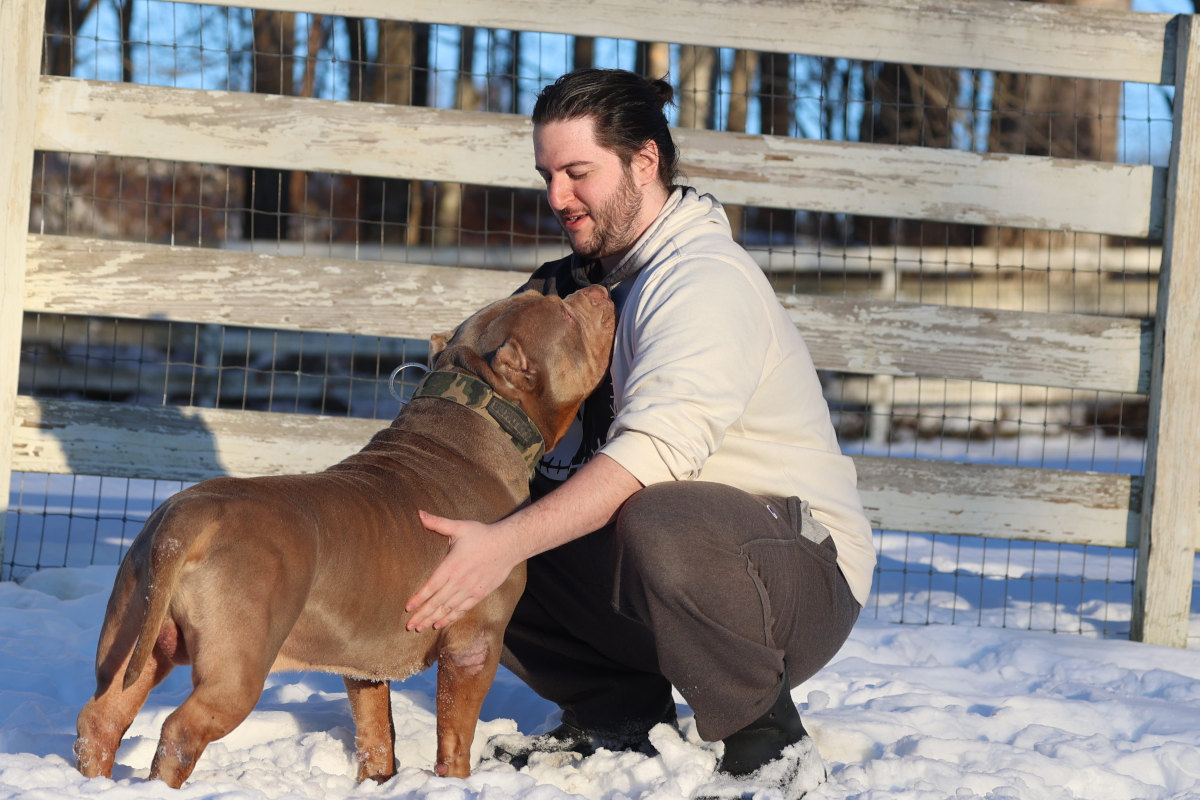
Angelo Presta is a Certified Master Dog Trainer and the owner of The Art of K9, a dog training business based in Harrison, NY, serving Westchester County and Fairfield County, CT. With a focus on structured, relationship-based training, Angelo works with dogs facing everything from basic obedience needs to serious behavioral challenges, including leash reactivity and aggression, through his Board & Train, private in-home, and virtual consultation programs.
Angelo intentionally limits his monthly intake of clients to ensure every dog and owner receives personalized attention, and he emphasizes lasting, real-world results over quick fixes, training dogs to behave reliably not just in a controlled setting, but at home, on walks, and around everyday distractions. Alongside hands-on training, he places a strong emphasis on owner education, equipping clients with the tools to maintain their dog’s progress long after training ends.