
Reactive Dog Training in Rye, New York: Finding the Right Trainer for Your Dog
Living with a reactive dog is exhausting in ways that are hard to explain to someone who hasn’t experienced it. Every walk feels tense, you find yourself scanning the sidewalk for other dogs before your dog does, and you’re constantly apologizing for behavior you can’t quite control. If you’re searching for reactive dog training in Rye, New York, there’s good news: not every trainer is equipped to handle reactivity, but the right one can make a real, lasting difference.
It’s easy to feel like you’re the only one dealing with this, especially when other dog owners seem to walk their dogs without a second thought. In reality, reactivity is one of the most common behavioral issues trainers see, and it’s also one of the most misunderstood. Knowing what’s actually happening with your dog, and what kind of help genuinely moves the needle, changes the entire experience.
Many owners spend months trying to manage reactivity alone before reaching out for help, often after trying advice from articles or videos that don’t account for their dog’s specific triggers and history. There’s no shame in reaching that point. Reactivity is a genuinely difficult behavior to work through without guidance, and recognizing that you need an experienced trainer is often the turning point that finally leads to real progress. Owners who reach out sooner rather than later often find the process moves faster than they expected, simply because the behavior hasn’t had as much time to become deeply ingrained. Waiting rarely makes the work easier; it usually just means more ground to cover once training finally begins.
What Reactivity Actually Looks Like
Reactivity shows up differently from dog to dog, but it generally follows a recognizable pattern.
Barking, lunging, or growling at specific triggers like other dogs, people, or moving objects
A response driven by fear, frustration, or overstimulation, not necessarily true aggression
A tendency to escalate over time if the underlying cause isn’t addressed
Understanding that reactivity and aggression aren’t always the same thing is an important first step, since they often call for different approaches. Many reactive dogs are actually quite friendly once they’re calm and past the initial trigger, which is part of what makes the behavior so confusing and frustrating for owners to manage on their own. That gap between how a dog behaves in a calm moment and how they react under stress is often exactly what a skilled trainer is working to close.
Why Not Every Trainer Is Equipped for Reactive Dogs
Basic obedience classes are a great starting point for many dogs, but reactivity usually requires something more specialized.
General obedience training alone often doesn’t address the root emotional response driving the reactivity.
Reactive dogs benefit most from trainers with specific experience in behavior modification.
Without the right approach, poorly managed reactivity tends to get worse, not better, over time.
Choosing a trainer with real experience in this area isn’t optional; it’s essential to actually seeing improvement. A well-meaning but inexperienced trainer can sometimes make things worse, either by pushing a dog past their threshold too quickly or by relying on methods that increase stress instead of reducing it. This is exactly why experience with reactivity specifically, not just general obedience, should be one of the very first things you ask about.
What to Look for in a Reactive Dog Trainer
A few key qualities separate trainers who are genuinely equipped for reactivity from those who aren’t.
Direct experience working with reactive and fearful dogs, not just general obedience
A structured, individualized plan built around your dog, rather than a generic group class
A willingness to explain the reasoning behind their methods, not just what to do
If a trainer can’t clearly explain why a particular approach will help your dog, that’s worth questioning. Ask to see examples of past reactive cases they’ve worked with, since real experience usually comes with real stories and specific outcomes, not just general reassurance. A trainer with genuine experience in this area will usually be glad to talk through specific cases, since it’s the kind of work they take real pride in.
How Reactive Dog Training Typically Works
Effective reactive dog training tends to follow a consistent, gradual process.
Building focus and impulse control so your dog can respond to you even near triggers
Introducing controlled exposure at a distance your dog can handle without going over threshold
Reinforcing calm behavior consistently, across different environments and situations
This kind of training takes time and consistency, but it’s how lasting change actually happens. Progress is usually gradual and measured in small wins: a slightly closer pass without a reaction, a quicker recovery after a trigger, rather than one dramatic breakthrough.
Questions to Ask a Potential Trainer
Before committing to a trainer, a short conversation can tell you a lot about whether they’re the right fit.
Have you worked with dogs like mine before, and what did that look like?
What does a realistic timeline for improvement look like?
How do you handle setbacks along the way?
Honest, specific answers here are a strong sign you’ve found someone who knows what they’re doing.
Common Mistakes Owners Make With Reactive Dogs
Many well-intentioned habits can actually slow down progress or reinforce the very behavior you’re trying to fix.
Avoiding walks entirely instead of managing exposure at a safe distance
Punishing the reaction itself rather than addressing what’s driving it
Flooding a dog with triggers too quickly in hopes of “getting it over with”
Inconsistent responses from different family members, which confuses the dog about what’s expected
Recognizing these patterns early and correcting them with guidance from an experienced trainer often speeds up progress considerably compared to trial and error on your own. Many of these habits form naturally out of a desire to protect your dog or avoid an embarrassing scene, which is completely understandable, but breaking them with proper guidance usually opens the door to much faster progress.
Life With a Reactive Dog During Training
Progress doesn’t happen only during formal sessions. What you do in between matters just as much for a reactive dog as it does for almost any other kind of training.
Manage triggers on daily walks by giving space and avoiding unnecessary confrontations.
Reinforce calm behavior at home so your dog has a consistent baseline to return to
Stay patient with setbacks, since occasional regressions are a normal part of the process.
Keep communication open with your trainer so adjustments can be made along the way
Owners who stay consistent between sessions tend to see faster, more reliable progress than those who treat training as something that only happens during scheduled appointments. Think of the trainer’s guidance as the framework, and your day-to-day consistency at home as what actually fills that framework in and makes it stick.
Reactive dog training in Rye, New York works best with a trainer who understands the root causes of reactivity, not just the surface-level symptoms. Finding the right fit takes a little research, but it makes all the difference in your dog’s progress, and in your own day-to-day quality of life. With the right guidance and a bit of patience, the tense, apologetic walks of today can gradually give way to calmer, more confident ones.
How The Art of K9 Approaches Reactivity
At The Art of K9, we regularly work with reactive and behaviorally challenging dogs that other trainers often struggle to help. Our board and train programs are built to address the root of reactivity through structure, consistency, and real behavior modification, not just temporary management. We work with a limited number of dogs at a time so every dog gets the focused attention reactivity requires. If you’re in Rye and ready to make progress, call us at (914) 980-5527 or apply today.
Frequently Asked Questions
Can reactive dogs ever fully improve?
Many reactive dogs see significant, lasting improvement with the right training approach, though the timeline and outcome depend on the individual dog and consistency of training.
Is board and train effective for reactivity?
It can be, especially for dogs who need immersive, consistent structure to make progress. The extended time allows a trainer to work on both obedience and the underlying behavior.
How long does reactive dog training usually take?
It varies widely depending on the severity of the reactivity and the dog’s individual temperament, but most owners should expect a multi-week process rather than a quick fix.
Can I train a reactive dog myself?
Some progress is possible on your own, but reactivity often benefits from professional guidance, especially when it comes to reading your dog’s body language and managing triggers safely.
Is reactivity the same as aggression?
Not always. Reactivity is often rooted in fear or overstimulation rather than a true intent to harm, though it can escalate toward aggression if left unaddressed.
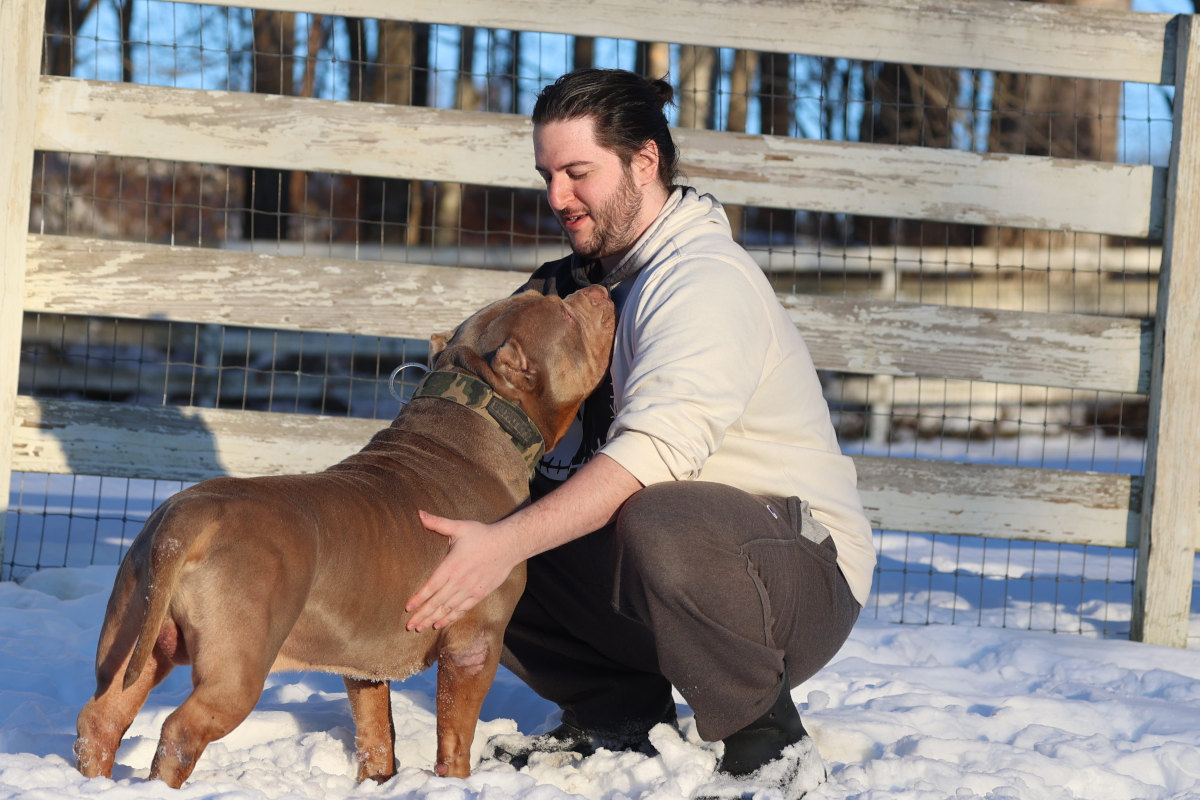
Angelo Presta is a Certified Master Dog Trainer and the owner of The Art of K9, a dog training business based in Harrison, NY, serving Westchester County and Fairfield County, CT. With a focus on structured, relationship-based training, Angelo works with dogs facing everything from basic obedience needs to serious behavioral challenges, including leash reactivity and aggression, through his Board & Train, private in-home, and virtual consultation programs.
Angelo intentionally limits his monthly intake of clients to ensure every dog and owner receives personalized attention, and he emphasizes lasting, real-world results over quick fixes, training dogs to behave reliably not just in a controlled setting, but at home, on walks, and around everyday distractions. Alongside hands-on training, he places a strong emphasis on owner education, equipping clients with the tools to maintain their dog’s progress long after training ends.