
Dog Trainer for Aggression: Helping Dogs Overcome Aggressive Behavior
Living with a dog that shows aggression is stressful, and it can leave owners feeling isolated, embarrassed, or unsure of what to do next. The good news is that aggression is a behavior, and behaviors can change with the right guidance. If you are searching for a dog trainer for aggression, you are already taking the most important step toward helping your dog and restoring peace at home.
This post covers what causes aggressive behavior, when to seek help, and what to actually look for in a trainer equipped to handle it.
Understanding Why Dogs Become Aggressive
Aggression rarely comes out of nowhere. It is usually a symptom of something deeper, and understanding the root cause is the first step toward fixing it.
- Fear is one of the most common drivers of aggressive behavior, especially toward unfamiliar people or dogs.
- Resource guarding, poor early socialization, and past negative experiences can all contribute
- Every dog’s triggers look a little different, which is why generic advice rarely solves the problem
Research following more than 43,000 dogs found that most dogs do not show aggression regularly, yet well over half will display some form of it in at least one everyday situation, according to a study on canine aggression prevalence. That number might sound surprising, but it is a reminder that aggressive behavior is more common than most owners realize, and it does not mean your dog is broken or beyond help.
Signs You Should Bring in a Professional
Some level of grumbling or discomfort is normal in dogs, but certain signs mean it is time to call in a dog trainer for aggression rather than trying to manage it alone.
- Growling, snapping, lunging, or biting directed at people or other dogs
- Aggression that seems to be getting worse instead of improving over time
- Situations where you no longer feel safe managing your dog around guests, other pets, or in public
Waiting too long to address these signs often makes the underlying issue harder to work through, so earlier intervention tends to lead to better outcomes.
Why Not All Trainers Are Equipped for Aggression Cases
Basic obedience training and aggression-focused training are two very different skill sets, and not every trainer has the experience to handle the second one safely and effectively.
- Aggression work requires a slower, more structured process built around trust.
- A trainer experienced with aggression cases will know how to assess triggers and build a realistic plan around them.
- Ask directly about their experience with aggression, not just general obedience or puppy training.
A trainer who seems uncomfortable answering questions about aggression, or who promises an unrealistically fast fix, is not the right choice for a serious behavior issue.
What an Aggression-Focused Training Plan Looks Like
A thoughtful plan for aggressive behavior does not start with the trigger itself. It starts with the fundamentals.
- Building structure and clear communication between dog and handler as the foundation
- Gradual, controlled exposure to known triggers under close supervision
- Teaching the dog an alternative response, so it has something else to do besides react
This kind of layered approach takes patience, but it produces changes that actually last, rather than a dog that simply suppresses its behavior temporarily.
How Owners Are Involved in the Process
A dog trainer for aggression cannot do this work in isolation. Owners play a critical role in making sure progress continues once formal training ends.
- Learning to recognize early warning signs before a reaction actually happens
- Staying consistent with the structure and boundaries set during training
- Continuing to reinforce calm behavior and appropriate responses at home
Owners who stay engaged throughout the process tend to see the most consistent, lasting improvement in their dog’s behavior.
Moving Forward with Confidence
Aggressive behavior can feel overwhelming, but working with the right dog trainer for aggression can turn a stressful, unpredictable situation into one that feels manageable again. The sooner you reach out, the more options you have for addressing the behavior before it escalates further.
Trust The Art of K9 with Serious Behavior Cases
The Art of K9 has experience working with dogs facing serious behavioral challenges, including aggression, reactivity, and resource guarding cases that many other trainers are not equipped to handle. Our 6- and8-week Boarding & Training programs are specifically built for dogs that need this deeper level of behavior work, combining obedience training with real, lasting behavior modification.
If you are unsure where to start, our Training FAQ page answers many common questions, or you can reach out directly to talk through your dog’s specific behavior before applying. Call us at (914) 980-5527 to get started.
Frequently Asked Questions
Can aggressive behavior in dogs actually be fixed?
In many cases, yes. With the right structured training and consistent follow-through from the owner, dogs showing aggression can learn new, more appropriate responses to their triggers.
What causes a dog to suddenly become aggressive?
Sudden aggression can stem from fear, pain, a negative experience, or a lack of structure and clear communication. A professional evaluation can help identify the specific root cause for your dog.
Is board and train or private training better for aggression?
It depends on the severity of the behavior and your household situation. More serious cases often benefit from the immersive, consistent structure of a board and train program.
How long does it take to see improvement in an aggressive dog?
This varies significantly based on the dog and the underlying cause of the aggression. Some dogs show noticeable improvement within weeks, while more complex cases take longer.
Is it safe to keep an aggressive dog around children or other pets during training?
Safety should always come first. A qualified trainer can help you set up management strategies to keep everyone safe while working through the underlying behavior.
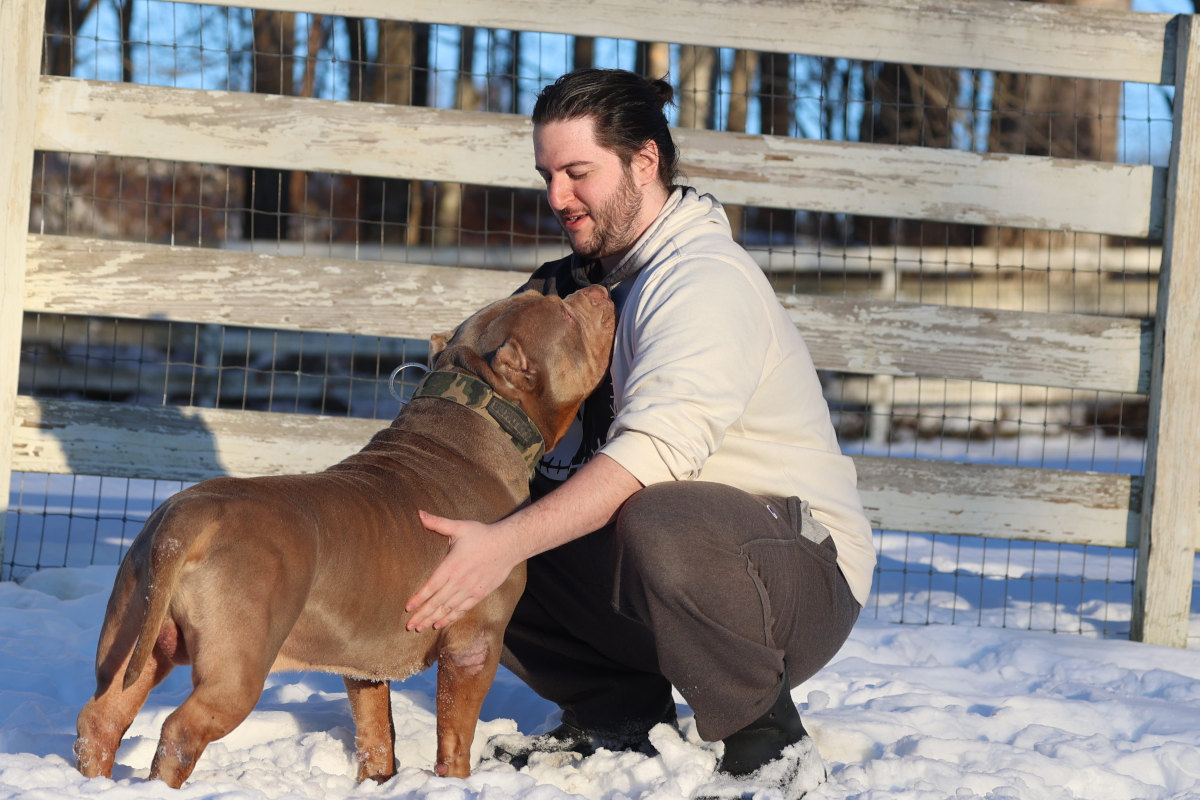
Angelo Presta is a Certified Master Dog Trainer and the owner of The Art of K9, a dog training business based in Harrison, NY, serving Westchester County and Fairfield County, CT. With a focus on structured, relationship-based training, Angelo works with dogs facing everything from basic obedience needs to serious behavioral challenges, including leash reactivity and aggression, through his Board & Train, private in-home, and virtual consultation programs.
Angelo intentionally limits his monthly intake of clients to ensure every dog and owner receives personalized attention, and he emphasizes lasting, real-world results over quick fixes, training dogs to behave reliably not just in a controlled setting, but at home, on walks, and around everyday distractions. Alongside hands-on training, he places a strong emphasis on owner education, equipping clients with the tools to maintain their dog’s progress long after training ends.